
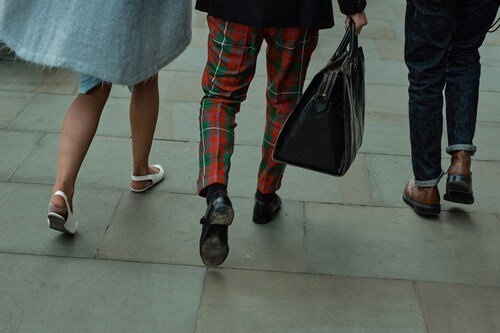
Understanding Fashion vs Style
The concepts of fashion and style are often used interchangeably; however, they represent distinct aspects of personal expression and cultural trends. Fashion encompasses the prevailing trends and widely accepted clothing choices that evolve over time. It is influenced by various factors, including cultural shifts, innovations by designers, and media representations. The cyclical nature of fashion is evident as styles come in and out of vogue, propelled by the creativity of designers and the whims of public interest.
On the other hand, style pertains to an individual’s unique method of expressing themselves through clothing and accessories. It reflects one’s personality, lifestyle, and preferences, often deviating from mainstream fashion. For instance, while high fashion showcases couture pieces that might dominate runway shows, an individual’s style could incorporate vintage finds or sustainable fashion choices that speak to their identity and values. Such personal interpretations of style are not only a form of self-expression but also a reflection of one’s experience, taste, and cultural background.
To illustrate this distinction, consider two individuals attending the same event: one might choose a designer dress adhering to current fashion trends while the other opts for a thrifted ensemble that resonates with their personal narrative. Both choices exemplify how fashion provides a framework within which style is formed. Moreover, icons like Audrey Hepburn, known for her timeless elegance, and Rihanna, celebrated for her bold and eclectic looks, serve as archetypes of how personal style can both embrace and contradict fashion conventions.
Ultimately, understanding the difference between fashion and style encourages individuals to engage with clothing in a way that honors personal identity while remaining aware of broader trends. Embracing one’s style can lead to more authentic self-expression, free from the constraints of fleeting fashion dictates.
Key Elements of Fashion and Personal Style
Understanding the fundamental components of fashion and personal style is crucial for anyone looking to cultivate a distinctive aesthetic. Among the most pivotal elements are color, fabric, fit, tailoring, and accessories. Each of these aspects plays an integral role in shaping an individual’s fashion identity and should be considered when assembling outfits.
Color selection is paramount as it can dramatically influence an individual’s appearance. Determining the right colors for one’s skin tone can enhance natural features and create a harmonious look. For instance, warm undertones often complement earthy shades, while cooler undertones are best suited to jewel tones. Experimenting with different color palettes can provide insights into which hues resonate most positively with one’s personal style.
Equally important is the choice of fabric. Various fabrics not only differ in texture but also in their suitability for different occasions, seasons, and styles. Natural fabrics such as cotton and linen are often favored for their breathability, while synthetic fabrics may offer durability and ease of maintenance. Understanding the properties of these materials helps in making informed decisions that align with one’s lifestyle and fashion needs.
The significance of fit cannot be overstated. Well-fitting clothing enhances body proportions and creates flattering silhouettes. Tailoring can transform a standard piece into something truly special, ensuring it complements the wearer’s shape. Investing in alterations can greatly increase the versatility of one’s wardrobe.
Finally, accessories serve as the finishing touches that can elevate an outfit from ordinary to extraordinary. From jewelry to bags and shoes, accessories provide opportunities for personal expression. Experimenting with different combinations can lead to a unique style that defines an individual’s fashion identity.
Building Your Wardrobe: Essential Pieces
Creating a versatile and functional wardrobe begins with identifying essential pieces that serve as the foundation of personal style. Essential wardrobe staples play a crucial role in allowing individuals to mix and match items effortlessly. One of these key pieces is the little black dress (LBD). The LBD stands out due to its adaptability; it can be dressed up with accessories for formal occasions or paired with sneakers for a casual outing. This flexibility makes it a must-have in any wardrobe.
Another critical item is a tailored blazer, which adds polish and sophistication to various outfits. Whether worn over a blouse and trousers for work or with jeans for a night out, a well-fitted blazer enhances a sense of style and professionalism. Versatile denim, both in dark wash and classic blue, is another cornerstone. High-quality denim can be styled in numerous ways, from casual to smart-casual, making it an indispensable part of everyday wear.
Classic shoes, including black pumps and ankle boots, further enhance the ability to create diverse looks. Investing in quality footwear ensures durability while providing comfort for prolonged wear. Seasonal items, such as light sweaters or lightweight jackets for the fall, are equally important as they allow for transition between different weather conditions while maintaining style.
When building your wardrobe on a budget, consider thrifting or shopping at second-hand stores. These venues often provide high-quality clothing at more affordable prices. Focus on selecting timeless pieces that can be worn year after year, which will ultimately lead to a sustainable and expansive wardrobe. In cultivating your wardrobe, prioritize quality over quantity to create a functional wardrobe that reflects personal style and meets versatility needs.
Staying Authentic: Embracing Your Unique Style
Fashion is inherently personal and serves as a powerful medium for self-expression. To cultivate one’s unique style, it is essential to stay authentic and embrace individuality. This authenticity allows individuals to shine in a world that often promotes conformity to fleeting trends. As you embark on your fashion journey, it is crucial to discover what resonates with you personally.
One effective strategy for uncovering your unique style is to take inspiration from diverse role models. Look beyond mainstream figures and explore various aesthetics that intrigue you. This exploration can lead to unexpected combinations that reflect your personality. For example, you might admire the bohemian style of a musician while resonating with the tailored elegance of a fashion icon. This cross-pollination of influences enables you to craft an authentic look that feels right.
Additionally, don’t hesitate to experiment with different styles. Fashion allows for experimentation without the need for permanence. Trying new colors, patterns, or silhouettes can reveal aspects of your style that you may not have previously considered. It is essential to approach this experimentation with an open mind and a sense of playfulness, which can lead to comforting discoveries about your preferences.
While navigating the sometimes overwhelming world of fashion, remember to remain steadfast in your choices despite societal pressures. Opinions may vary, but your style is ultimately a reflection of your tastes and experiences. Embrace the journey of self-discovery, understanding that it will evolve over time. By committing to this personal exploration, you reinforce the notion that fashion is not merely about following trends but about celebrating who you are.