
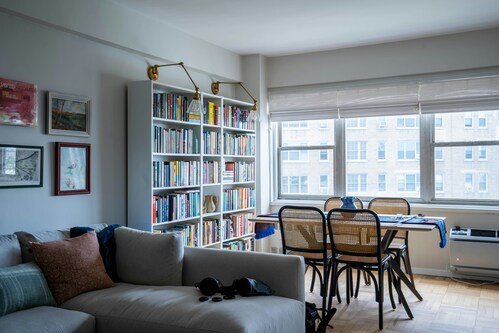
Understanding Home Organization
Home organization is a fundamental concept focusing on arranging and managing living spaces to enhance functionality and aesthetics. At its core, home organization involves categorizing items, decluttering spaces, and establishing efficient storage systems. This practice is not merely about tidiness; it significantly influences daily life by promoting efficiency, reducing stress, and improving overall well-being.
In our fast-paced lives, the importance of an organized home cannot be overstated. A well-organized environment allows individuals to locate items quickly, thereby saving valuable time and effort. Furthermore, by minimizing clutter, homeowners can create a serene atmosphere that fosters relaxation and reduces feelings of overwhelm. Scientific research suggests that clutter can lead to increased stress levels and a feeling of helplessness, underscoring the need for effective organizational practices.
Despite the acknowledged benefits, many households encounter common organizational challenges. These may include limited space, a lack of effective storage solutions, or even emotional attachments to belongings that hinder decluttering efforts. Additionally, different family dynamics and lifestyle needs may contribute to disorder, making it difficult to maintain an organized home. Addressing these challenges often requires a tailored approach to organization, taking into consideration the unique requirements of each household.
By understanding home organization and its significance, individuals can begin to appreciate the transformative effects of a well-ordered living space. As we explore further, the adoption of effective organizational practices will reveal numerous benefits that extend beyond mere aesthetics, leading to improved life quality for all family members.
Psychological Benefits of an Organized Home
The significance of an organized home extends beyond mere physical space; it profoundly influences mental health. Numerous studies have indicated that clutter can significantly elevate anxiety levels and impede productivity. When a living space is overwhelmed with disarray, it can create an environment where individuals struggle to focus, leading to a sense of being mentally cluttered as well. This connection between clutter and mental well-being raises important questions about the psychological benefits of home organization.
Research from various psychological institutions has demonstrated that individuals residing in tidy environments report lower levels of stress and anxiety. In fact, an organized home fosters a sense of control and stability. When people clear their living spaces of unnecessary items, they often experience a remarkable sense of relief, accompanied by a clearer mindset. The act of organizing can serve as a therapeutic exercise, providing individuals with an opportunity to reflect on their possessions and their life choices.
Moreover, the psychological benefits of home organization can boost motivation levels. When our surroundings are uncluttered, it becomes easier to accomplish tasks, fueling a positive feedback loop that promotes further organization and productivity. The satisfaction that arises from decluttering can motivate individuals to engage in additional home improvement projects and overall self-care.
Personal anecdotes support the idea that a well-organized home can improve mental health. Many individuals attest that after implementing organizational strategies, they felt more at ease and inspired to engage in new activities. By enhancing one’s living space, individuals actively cultivate an environment conducive to personal growth and mental clarity. This connection between organization and mental well-being underscores the importance of taking time to create a serene and organized home life, marking the first step towards improved emotional health.
Practical Tips for Effective Home Organization
Effective home organization is a multifaceted endeavor that can significantly enhance one’s living space. To start, prioritizing decluttering is essential. Go room by room and assess items based on their utility and emotional value. A useful strategy is the “four-box method,” where you designate boxes for keeping, donating, discarding, and relocating items. This method not only helps in making clear decisions but also reduces the overwhelming feeling associated with decluttering.
Once you have determined what to keep, it’s time to explore storage solutions. Utilizing vertical space is invaluable; think about investing in shelving units and wall-mounted storage systems. In the kitchen, for example, consider drawer dividers for utensils and stacked baskets in pantries to maximize space while keeping items accessible. Drawer organizers can be particularly beneficial in bedrooms or offices, as they help maintain order by designating specific homes for smaller items.
In addition, employing multifunctional furniture can be a game changer, particularly in smaller apartments. Ottomans with storage, beds with drawers, or coffee tables that double as shelves can all aid in creating a more organized environment. Furthermore, be conscious of maintaining organization over time. Establishing a routine for daily tidying can prevent clutter from reaccumulating. Setting aside fifteen minutes each evening to put away items can have a profound impact on keeping spaces organized.
Lastly, consider seasonal organization as an ongoing commitment. Every few months, revisit each space to evaluate whether the current organization meets your needs. Regularly assessing your possessions and their arrangement not only fosters a sense of peace but also challenges unnecessary clutter accumulation. Ultimately, implementing these practical tips can lead to a more spacious, functional, and harmonious home environment.
Long-term Impact of a Well-Organized Home
Maintaining a well-organized home has several long-term benefits that extend beyond mere aesthetics; it fundamentally enhances quality of life. One of the most significant effects of a tidy environment is the lifestyle changes it can foster. An organized home promotes efficiency, allowing individuals to allocate more time to activities that bring joy and fulfillment. This shift often translates into increased productivity, as less time is spent searching for misplaced items or struggling to navigate cluttered spaces.
Furthermore, a well-organized space can lead to improved financial savings. When homes are systematically managed, individuals often find that they are less inclined to engage in impulsive purchasing. Clarity regarding what items are owned can reduce the likelihood of buying unnecessary duplicates. Additionally, an organized environment helps individuals to visualize their needs better, thus enabling them to make more intentional and mindful purchasing decisions, ultimately leading to long-term savings.
The long-term benefits of organization also include the promotion of healthier habits. An orderly environment fosters a sense of calmness and reduces stress, effectively contributing to better mental health. When the home is organized, it encourages a lifestyle that prioritizes physical well-being; for instance, a clean kitchen might motivate healthier cooking habits, while a decluttered living space can enhance relaxation and restful sleep. As individuals continue to maintain their organized homes, they may find that these health-related shifts become a natural part of their daily lives.
Considering all these factors, it becomes evident that home organization should be viewed not merely as a chore, but as an essential investment into a healthier, more fulfilling lifestyle. The lasting impact of maintaining an organized home touches various aspects of life, reinforcing the notion that an organized living environment fosters a more enriching daily experience.